Currently accepting same-day emergency patients across Louisville, KY. Average callback time is under 12 minutes.
Missing Tooth Treatment in Louisville, KY | Implants, Bridges and Dentures
Honest Advice on Which Tooth Replacement Actually Fits
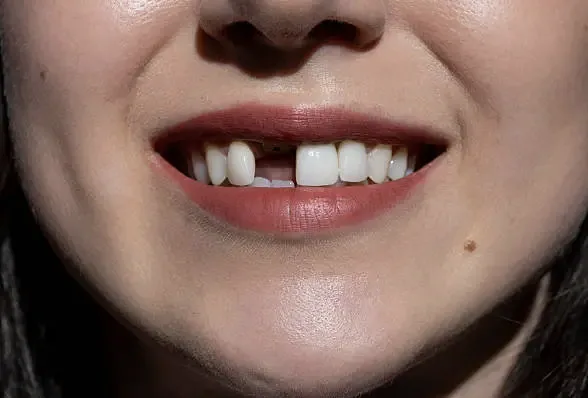
Emergency Dentists Louisville offers replacing missing teeth for the entire Louisville area. If you're living with a gap, you're in bigger company than you think, because tooth loss is common among American adults. The alveolar bone in the area gradually resorbs after tooth loss, neighboring teeth may drift or tip toward the space, and an opposing tooth may over-erupt when it no longer has normal contact.
The good news is that you have more replacement options today than ever, from implants to bridges to dentures, and one of them fits your mouth, your timeline, and your budget.
Tell us what's going on. We'll call you back fast.
We'll respond same-day. If you need to be seen right now, call us directly at 502-793-2102.
Missing Tooth Replacement Options in Louisville
Our missing tooth treatment in Louisville, KY compares dental implants, bridges and partial dentures against your bone volume, gum health, the condition of the neighboring teeth, your bite, esthetic goals, medical history, timeline and budget, so the recommendation fits your mouth rather than our schedule. We are the Louisville practice that will tell you when the cheapest option is genuinely the right one, and we plan replacement before an extraction rather than after it.
What a Missing Tooth Does When You Do Nothing
A gap is never just a gap. Teeth work as a team, and removing one player sets off a slow chain reaction:
Neighboring teeth drift and tilt into the space, throwing off your alignment and bite
The opposing tooth over-erupts, growing down or up into the gap because nothing meets it
The jawbone under the gap shrinks, because bone needs the stimulation of a tooth root to stay dense
Chewing shifts to other teeth, overloading them and inviting cracks and excessive wear
Speech can change, and with multiple missing teeth, the face can take on a sunken look
Why sooner beats later: bone loss starts within months of losing a tooth and continues year after year. The longer a gap sits, the more bone disappears, and the more involved (and expensive) replacement becomes. Replacing a tooth early keeps every option on the table.
Your Replacement Options, Compared
Dental ImplantA titanium post replaces the tooth root and a crown tops it. Implants look, feel, and chew like natural teeth, help preserve jawbone, don't touch neighboring teeth, and can function for many years with good maintenance. Often the preferred option when bone volume, gum health, and medical history allow.
Dental BridgeAn artificial tooth anchored by crowns on the teeth beside the gap. Fixed in place, natural-looking, and often completed faster than implant treatment, at the cost of reshaping those neighboring teeth to hold the crowns.
Removable Partial DentureA removable appliance replacing one or several teeth. A removable option for replacing one or several missing teeth, and a good interim solution, though it doesn't stop bone loss and must come out for cleaning.
Implant-Supported Bridge or DentureFor multiple missing teeth or a full arch: a few strategically placed implants anchor a fixed bridge or a snap-in denture. More stable than conventional removable dentures for most patients, with the bone-preserving benefit of implants.
Some missing teeth should be replaced to restore function or prevent unwanted tooth movement, while others may be safely monitored. Which option is right depends on how many teeth are missing, the health of your jawbone and gums, your bite, your timeline, and your budget. That's exactly what the consultation sorts out, with X-rays and honest pros and cons rather than a one-size-fits-all pitch.
"It's Just One Tooth in the Back. Is It Worth the Money?"
This is the objection we hear most, and it deserves a real answer instead of a scare tactic. Yes, replacement costs money up front. But "doing nothing" has a price tag too, it's just paid later and in worse currency: orthodontics to fix drifted teeth, crowns for overloaded neighbors that cracked, bone grafting to rebuild the ridge that shrank, and a harder, costlier implant placement than the one available today. A back tooth also does a disproportionate share of your chewing, so its absence quietly taxes every tooth around it at every meal.
Spread over its lifespan, a well-placed implant often works out to less per year than the rolling cost of the problems the empty space creates. We'll give you the actual numbers for your case, in writing, so you can make the call with real figures instead of vague dread.
How the Process Works
1. Consultation and Imaging
We examine your mouth, take digital X-rays to assess bone volume and the health of neighboring teeth, and talk through your goals, timeline, and budget.
2. Your Written Plan
You get a clear recommendation with alternatives, timelines, and itemized costs. If a tooth still needs to come out first, we handle that too. Our tooth extractions page explains that step and how we preserve bone for the replacement to come.
3. Treatment
Bridges and partials typically take a few weeks from start to finish. Implants involve placement, a healing period of a few months while the post fuses with your bone, and then the final crown. Either way, we'll make sure you're never left with a visible gap during treatment.
4. Long-Term Care
Your replacement gets checked at every routine visit. With normal home care, bridges and partials last many years, and implants routinely last decades.
Why Choose Emergency Dentists Louisville
Every replacement option under one roof, from partials to implant-supported teeth, so the recommendation fits you rather than the menu.
In-house digital imaging to assess bone and plan placements precisely.
Written, itemized estimates with per-option comparisons before you commit to anything.
Financing options available so the right long-term answer isn't blocked by this month's budget.
What is the best option for replacing a missing tooth?
For most patients with adequate bone, a dental implant is the best long-term option because it preserves jawbone, spares neighboring teeth, and lasts decades. Bridges and partials are excellent alternatives when an implant isn't the right fit.
How soon after losing a tooth should I replace it?
Ideally within a few months, because bone loss begins soon after a tooth is gone. Acting early keeps all replacement options available and often makes treatment simpler and cheaper.
Can I replace a tooth that's been missing for years?
Yes, almost always. Long-standing gaps sometimes need bone grafting or orthodontic touch-ups first, and we'll map out exactly what your case requires at the consultation.
Does insurance cover tooth replacement?
Most plans cover bridges, partials, and dentures at their major restorative rate, while implant coverage varies by plan. We verify your specific benefits and build the written estimate around them.
How long do tooth replacements last?
Implants routinely last 20 years or more and often a lifetime, bridges typically last 10 to 15 years, and partials last 5 to 10 years before needing adjustment or replacement. Daily cleaning and routine checkups stretch every one of those numbers.
That Gap Isn't Waiting. Neither Should You.
One consultation gets you a full comparison of your options with real prices attached. Come find out how fixable this actually is.