Currently accepting same-day emergency patients across Louisville, KY. Average callback time is under 12 minutes.
Dental Fillings in Louisville, KY: Tooth-Colored and Same-Day
Tooth-Colored Dental Fillings in Louisville, KY
Emergency Dentists Louisville offers dental fillings for the entire Louisville area. Dental fillings repair teeth damaged by cavities before decay reaches deeper tooth structure. Smaller cavities can often be restored with a filling, while deeper decay may require a crown, root canal treatment, or extraction.
Most people need at least one filling in their lifetime. If you've noticed sensitivity, a dark spot, or food catching in the same place, here's what to expect and what your material options actually are.
Tell us what's going on. We'll call you back fast.
We'll respond same-day. If you need to be seen right now, call us directly at 502-709-6108.
Dental Fillings for Cavities and Tooth Decay in Louisville
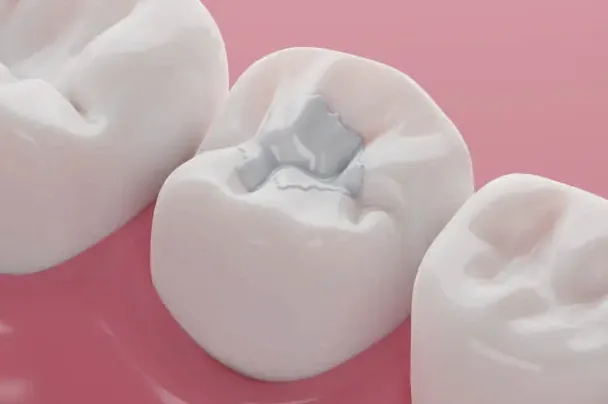
Our dental fillings in Louisville, KY restore decayed teeth with composite bonded into the cavity and shade matched to your natural enamel, so the restoration blends with the natural tooth and can often preserve more healthy tooth structure than a larger indirect restoration. We are the Louisville practice that treats small cavities the week you call, because untreated decay can spread deeper into dentin and eventually reach the dental pulp, making treatment more involved.
Signs You Might Have a Cavity
Only an exam and X-rays can confirm a cavity, but these are the symptoms that usually bring people in:
Sensitivity to hot, cold, or sweet foods and drinks
A dark brown or black spot on the surface of a tooth
A visible hole or pit you can feel with your tongue
Food constantly getting stuck in the same spot between teeth
A dull, nagging toothache or sharp pain when biting on one tooth
Bad breath that brushing doesn't fix
No symptoms doesn't mean no cavity. Early decay is usually painless, which is exactly when it's cheapest and easiest to fix. Tooth decay can remain painless for a long time. Pain or lingering sensitivity can be a sign that decay has reached deeper dentin or is approaching the pulp.
What Happens During a Filling Appointment
A single filling typically takes 30 to 60 minutes from start to finish.
Numbing
A numbing gel goes on the gum first, then local anesthetic numbs the tooth, the surrounding gum, and part of the jaw. You stay comfortable for the entire procedure.
Removing the Decay
The decayed portion of the tooth is carefully removed and the area is cleaned to eliminate bacteria and debris. This step removes infected or softened tooth structure so the cavity can be cleaned and restored with a durable seal, but it can't rebuild what's already lost. That's the filling's job.
Filling and Shaping
The filling material is placed in layers, hardened, then shaped and polished so it matches the contours of your tooth. We check your bite before you leave and adjust anything that feels high. Some hot and cold sensitivity for a few days afterward is normal and fades as the tooth adapts.
Filling Materials Compared
The right material depends on where the cavity is, how big it is, your budget, and how visible the tooth is when you smile. Here's the honest comparison:
Composite (Tooth-Colored)Resin blended with glass-like particles, shade-matched to your tooth and bonded directly to it. The most popular choice for visible teeth. Typically lasts 5 to 7 years or longer with good care.
Amalgam (Silver)The most thoroughly tested filling material, extremely durable and usually the least expensive. Noticeable color, so it's mostly used on back molars. Often lasts 10 or more years.
Porcelain / CeramicLab-made inlays and onlays that are tooth-colored, stain-resistant, and very durable, often lasting 15 or more years. Higher cost, and usually reserved for larger cavities.
Glass IonomerReleases fluoride that helps protect against further decay. Less durable, so it's mainly used for small cavities, areas near the gumline, and children's teeth.
If you're not sure which fits your situation, that's what the consultation is for. We'll lay out the trade-offs for your specific tooth rather than defaulting to one answer for everyone.
Do Fillings Hurt?
This is the fear that keeps small cavities untreated until they become big ones, so let's address it directly: the procedure itself shouldn't hurt. The tooth is fully numbed before any work begins, and most patients describe the appointment as boring rather than painful. Mild sensitivity for a few days afterward is common and temporary.
Here's the part worth remembering: the filling appointment you're nervous about is dramatically more comfortable, faster, and cheaper than the more involved treatment that may be needed if decay reaches the pulp. If the cavity has already gone too deep for a filling, we'll tell you honestly and explain what the tooth actually needs instead. And if an old filling ever cracks or falls out down the road, our lost filling repair service handles exactly that.
Cost and Insurance
Filling cost depends on the material you choose, the size and location of the cavity, and how many teeth need treatment. Amalgam is typically the least expensive, composite sits in the middle, and porcelain and gold are the premium options. Back teeth can cost slightly more because they're harder to access. Many dental insurance plans include benefits for fillings, but coverage, deductibles, material limitations, and patient costs vary by plan, though many cover composite up to the price of an amalgam filling, with you paying the difference. We'll verify your coverage and give you exact numbers before treatment.
As an emergency dentist in Louisville KY, we also see plenty of patients whose "small cavity" became a weekend emergency. Treating it now is how you avoid being one of them.
Why Choose Emergency Dentists Louisville
Multiple filling materials offered and explained honestly, so you choose based on facts, not a default.
In-house digital X-rays that catch decay between teeth and under old fillings before it spreads.
Gentle numbing technique and sedation options for patients with dental anxiety.
Twelve years in practice placing fillings for patients throughout Louisville and the surrounding area.
Written estimates and insurance verification before treatment, never after.
Frequently Asked Questions
How long does a filling take?
Most single fillings take 30 to 60 minutes, and multiple cavities can often be treated in the same visit if they're in the same area of the mouth.
How long do fillings last?
It depends on the material: composite typically lasts 5 to 7 years or more, amalgam often lasts 10 or more, and porcelain can last 15 or more with good home care. Brushing, flossing, and regular checkups extend the life of any filling.
Can I eat after a filling?
Wait until the numbness wears off, usually a few hours, so you don't bite your cheek or tongue. After that, composite fillings are fully hardened and ready to chew on. Avoid very hot, cold, or sticky foods for the first day or two if you notice sensitivity.
Are silver fillings safe?
Yes. Amalgam has been studied for generations, and major health bodies including the ADA and FDA consider it a safe and reliable filling material. If you'd prefer tooth-colored composite anyway, that's completely fine and we place both.
Does insurance cover fillings?
Almost all dental insurance plans cover fillings, since they're considered basic restorative care. Some plans cover composite on back teeth only up to the amalgam price, and we'll walk you through exactly what your plan pays before we start.
Small Cavity Now, or Big Problem Later
A small cavity is often simpler and less expensive to treat than decay that has spread deeper into the tooth. Let's take care of it while it's still that simple.